
Back when I was in 7th grade, I was still in Vietnam and was just starting to get into manga and comics. Most of what I read came from whatever my friends happened to recommend. One of them recommended that I read Great Teacher Onizuka. Obviously, with the assumption that they probably knew more than me, I didn’t question it – I just went along with it.
I still remember picking it up for the first time. I wasn’t thinking about anything deep, I was a teenager seeking entertainment – something fun, something chaotic enough to switch my brain off for a bit.
And boy, it absolutely delivered. I remember laughing so hard my stomach hurt – mind you, at 3 a.m., trying not to wake anyone up.

A former delinquent becoming a teacher? I mean, at that point, I’ve seen motives like that. This manga was, of course, what I expected initially. Half the time I couldn’t tell if I was supposed to die laughing or die cringing. It was ridiculous, over-the-top, and exactly what I was looking for at the time – something that is so absurd that it wouldn’t have any possibility of happening in the real life.
Back then, that was all it was to me. Just a funny story.
But somehow, it stayed with me.
I’ve always had this belief that if you really understand something, you should be able to explain it simply. Not to someone with a Ph.D., but to a 5-year-old. If a 5-year-old can follow along, that’s probably a good sign your understanding is actually solid. So that’s how I approached it – you know, keep things clear and simple, and build from the basics.
But even as I was doing that, I knew that alone wasn’t enough. I’d been a student (still am, actually) – I knew what makes a class feel engaging and what doesn’t. It’s usually not the perfectly structured explanation. It’s the moments that don’t show up in any lesson plan.
The few minutes before class starts, when people are still settling in. Some are talking, some are half on their phones, some look like they’d rather be anywhere else.
That moment when you ask a question and get silence – not because no one knows the answer, but because no one wants to be the first to speak.
Noticing when someone suddenly goes quiet. Or realizing mid-sentence that something didn’t land the way you expected.
Those are the parts that stick.
Not because they’re surprising, I already knew they were there, but because they shape how the class actually feels.
And in the end, that matters just as much as the lectures.
The question becomes then – how would I make this class a class that I’d actually look forward going to? That was probably why I kept thinking back to Onizuka. Not because I’m trying to imitate him, hell no (unless I’m trying to get kicked out of school) – but truthfully, because he approached students as people first. He didn’t start with “how do I teach this lesson?”
He started with, “who are these students in front of me?”
Students don’t engage just because something is important. They engage when they feel comfortable enough to try. When they feel like they won’t be judged for getting something wrong. When they feel like the person teaching them actually cares whether they understand or not.
And that doesn’t come from the lectures. It builds slowly, in small moments.
A quick conversation before class.
A pause instead of rushing through something.
Even something as simple as remembering their names.

There’s a quiet pressure, especially early on, to act like you have everything under control, to sound confident, to avoid mistakes, to fit into what a “teacher” is supposed to be.
But that version of teaching, to me, feels distant.
I wanted to be real. I will adjust when something isn’t working, being honest about it, not pretending everything is perfect. And even something as swearing, which is part of my identity, I’d rather being honest about it. To me, that was not about lowering standards – it’s just about not hiding behind them.
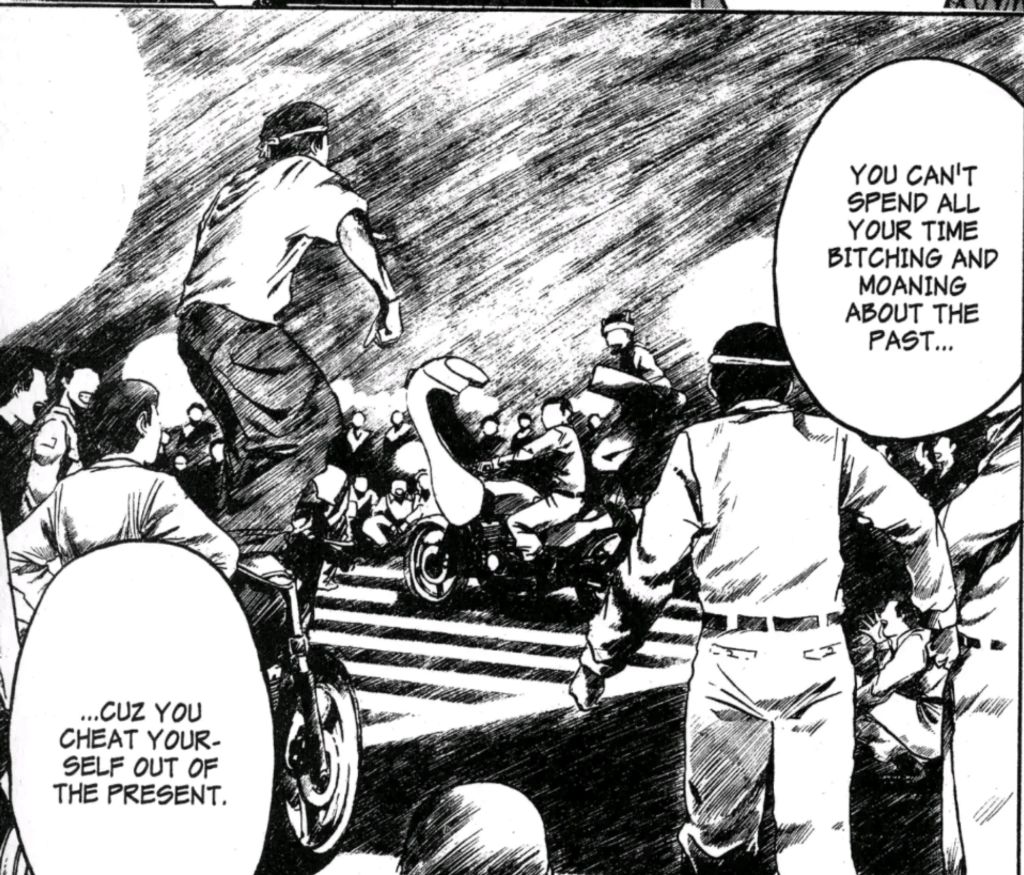
Teaching also doesn’t end at delivering information. Some of the moments that stay with me the most don’t happen during the main part of class. It’s when a student comes up after class and asks something they didn’t feel comfortable asking out loud, and you realize they were following more closely than you thought. It’s when someone who barely said a word in the first few weeks suddenly raises their hand, even if they’re not completely sure about the answer. It’s that brief pause when something finally clicks, when you can see it on their face before they even say anything.
Those moments are easy to miss if you’re only focused on getting through the material. But they’re usually the ones I remember the most.

I’m still figuring all of this out. I don’t think there’s a clean definition of what makes a great teacher, and I’m not sure there needs to be one.
Maybe that’s why something as unexpected as Great Teacher Onizuka stayed with me all this time. Not because it shows an ideal version of teaching, but because it reminds me how much it matters when someone genuinely cares enough to try.
As I’m writing this, I’m nearing the last class of my first time ever teaching – and I’m realizing just how much I still have to learn.
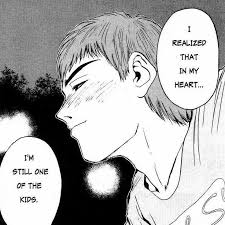
If there’s one thing I’m certain of, it should be this.
A great teacher isn’t the one who gets everything right. It’s the one who doesn’t give up on their students.